Winning Ugly: The Inside Story of How Playoff Contenders Burn Themselves Down From the Inside Out
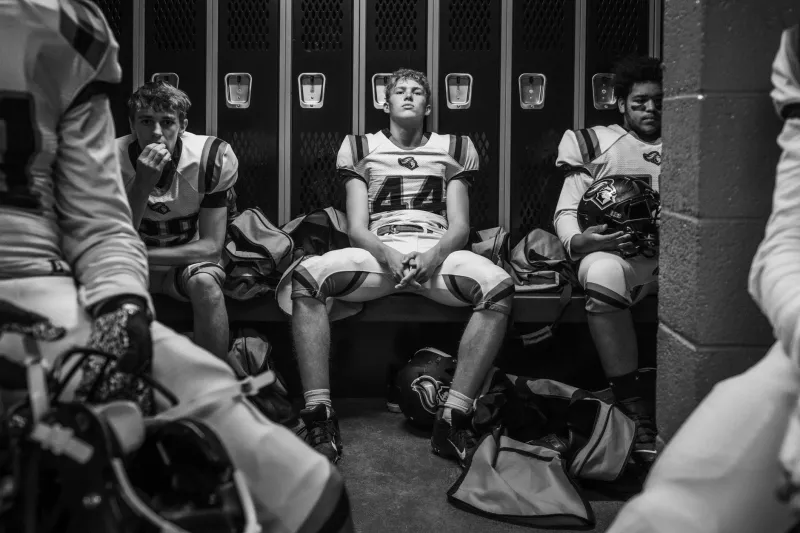
There's a particular brand of NFL heartbreak that doesn't get nearly enough airtime. It's not a blown coverage on fourth and goal. It's not a missed field goal in overtime. It's quieter than that — and honestly, a whole lot messier. It's the slow, almost invisible process of a team that was genuinely good, maybe even great, deciding somewhere around Week 10 to completely fall apart from the inside.
No highlight package captures it. No stat line explains it. But anybody who's spent real time around a professional football organization knows exactly what we're talking about. The locker room goes cold. The offensive coordinator stops returning the head coach's calls after practice. A veteran receiver starts holding court in the parking lot after losses. And just like that, a team that looked like a Super Bowl dark horse in September is watching January football from their couches.
So what actually causes it? And why does it keep happening to teams that, by every measurable standard, should know better?
The Pressure Cooker Nobody Talks About
Here's the thing about an NFL season — it's long, it's brutal, and it's designed to expose every crack in your foundation. A team can paper over internal dysfunction through September and October when the wins are stacking up. Chemistry issues stay buried under good vibes and touchdown celebrations. But the moment a two-game skid hits in November? Every unresolved tension in that building gets a megaphone.
Coaches who were collegial in August start openly contradicting each other in film sessions. Offensive and defensive coordinators — both of whom think they should be the head coach somewhere — start playing political games with the game plan. Players who quietly resented their snap counts suddenly aren't so quiet about it anymore.
The pressure doesn't create these problems. It just refuses to let anyone keep ignoring them.
Ego Is the Original Salary Cap Issue
Let's be direct: the NFL is full of extraordinarily competitive, extraordinarily prideful human beings. That's largely what makes them great. But it's also what makes locker rooms combustible in ways that front offices consistently underestimate.
When a team is winning, star players tolerate a lot. The backup quarterback doesn't complain about his role. The Pro Bowl corner doesn't make noise about his contract extension. The veteran tight end doesn't grumble about getting phased out of the red zone package. But stretch a losing streak to three games in late November, and suddenly every single one of those grievances is very much on the table.
What makes it genuinely fascinating — and genuinely frustrating — is how rarely teams address these dynamics proactively. Most organizations treat locker room culture like the weather: something to be discussed after the fact, not managed in real time. By the time leadership recognizes that the room has fractured, the fracture is already load-bearing.
When the Front Office Becomes the Problem
Here's a layer that doesn't get nearly enough scrutiny: front office interference that actively destabilizes a coaching staff mid-season.
It happens more than you'd think. A general manager who's feeling heat from ownership starts leaking his frustration with the head coach to beat reporters — subtly, plausibly deniably, but effectively. Players pick up on it. They're professionals; they read the room. When they sense that the guy calling the shots on the sideline might not be calling the shots in the building, the authority structure gets wobbly fast.
Some of the most spectacular midseason collapses in recent NFL memory had their roots not in the locker room or on the practice field, but in the executive suite. A head coach who's fighting a two-front war — against opposing offenses and against his own front office — is a head coach who can't possibly give his team everything it needs down the stretch.
And players, whether they mean to or not, tend to pick a side.
The Veteran-Youth Divide Nobody Wants to Address
There's another fault line that opens up specifically in winning environments, and it runs directly between the old guard and the new wave.
Rosters built for playoff runs are usually constructed with a mix of expensive veterans and emerging young talent. In theory, that's a feature. In practice, it creates a status hierarchy that can get genuinely toxic when results start slipping.
Older players who've been through playoff runs before often have very specific — and very rigid — ideas about how a team should prepare and operate. Young players who've been outstanding all season and know it aren't always interested in deferring to a pecking order they didn't buy into. When those two worldviews collide under pressure, it rarely stays in the meeting room.
Coaches caught in the middle of that generational tension face an impossible choice: validate the veterans and risk alienating the young core, or back the youth movement and watch the locker room old guard go completely sideways.
The Film Room Is Where Relationships Go to Die
If you want to understand where team chemistry actually breaks down, don't look at the postgame locker room. Look at the film room on Monday morning after a bad loss.
That's where the real conversations happen — or more often, where the real conversations pointedly don't happen. A defensive coordinator who throws a cornerback under the bus in front of the whole unit. An offensive line coach who protects his guys from accountability in ways that infuriate the rest of the staff. A head coach who's so conflict-averse that he lets every grievance fester until it becomes a full-blown personnel crisis.
The film room is where trust either gets rebuilt after a tough loss or quietly gets destroyed. And once it's gone, you can feel it on the field. The communication tightens up. The effort becomes slightly selective. The plays that require genuine sacrifice — the dirty blocks, the contested catches over the middle — start getting made with a little less conviction.
That's when you know a team is in real trouble.
Why It Keeps Happening
The honest answer is that NFL organizations are not built to prioritize internal culture management at the same level they prioritize roster construction and scheme development. Most franchises have entire departments dedicated to analytics and salary cap optimization. Almost none of them have anything resembling a proactive conflict resolution infrastructure.
So when the inevitable human messiness of a 53-man roster — plus coaches, plus front office staff, plus ownership — reaches a boiling point in November, teams are almost always reacting rather than preventing.
And in a league where the margin between contending and collapsing is razor thin, reacting is almost always too late.
The teams that actually make deep playoff runs? They've usually figured out how to have the uncomfortable conversations in August instead of December. They've built enough genuine trust across the roster and coaching staff that a three-game skid doesn't become an identity crisis.
Everybody else is just hoping the wins keep coming fast enough that nobody notices the cracks.
Spoiler: they always notice.