The Shadow Coaches: How Off-the-Books QB Gurus Became the NFL's Most Powerful Backroom Players
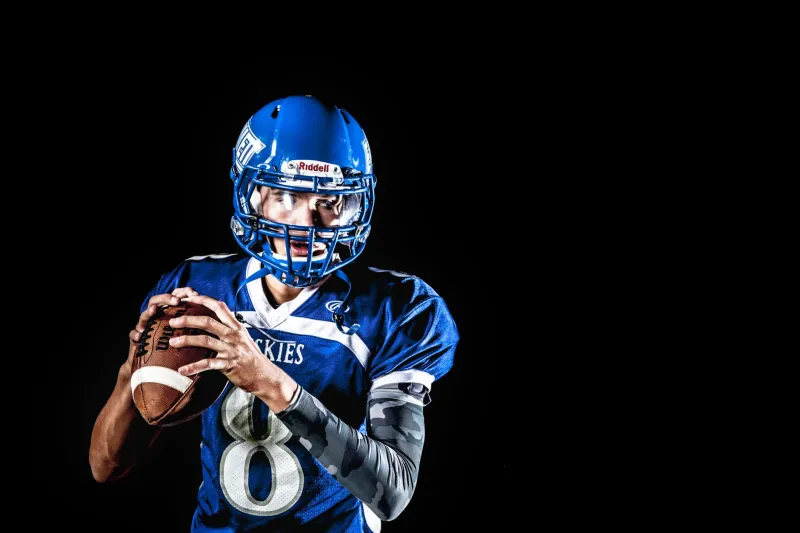
Somewhere in a rented fieldhouse in suburban California, a quarterback is throwing passes at 7 a.m. to no one in particular. No cameras. No beat reporters. No team logo on the wall. Just a former college coach with a high-speed camera, a laptop full of biomechanical data, and an invoice that would make your eyes water. This is the NFL's open secret — and it's way more widespread than the league wants to admit.
Private quarterback coaching has always existed on the fringes of professional football. But over the last decade, it's evolved from a quiet offseason supplement into a full-blown parallel industry. We're talking about independent specialists — mechanics coaches, footwork consultants, biomechanics analysts — who operate completely outside the official team structure, answer to nobody in the building, and in some cases, have more influence over a starting quarterback's development than the offensive coordinator drawing up plays on the whiteboard.
The Money Is Absolutely Unhinged
Let's start with the part that genuinely surprises people when they hear it: the fees. Top-tier private QB coaches aren't charging what your kid's travel baseball instructor charges. The elite names in this space command anywhere from $500 to $2,500 per session, with full offseason programs running well into six figures. Some of the most sought-after specialists have waiting lists. A few have reportedly turned down clients because they were already locked into working with higher-profile players.
And here's the kicker — a lot of the time, the teams themselves are quietly footing the bill. Not officially, of course. The salary cap rules around player benefits make direct payments complicated. But there are creative ways money moves in this league, and plenty of franchises have found ways to ensure their franchise quarterback has access to the best private instruction available without it showing up anywhere embarrassing.
Why would a team spend millions on a coaching staff and then separately pay a private consultant to undo what that staff is teaching? That's the uncomfortable question sitting at the center of all of this.
When the Official System Isn't Enough
Here's the reality of NFL coaching: quarterbacks coach positions turn over constantly. Offensive systems change every time a coordinator gets fired or poached. A guy might work with three different QB coaches in four seasons. That kind of instability is brutal for a young signal-caller trying to build consistent mechanics.
Private coaches offer something the official system often can't — continuity. A quarterback who's been working with the same independent specialist since college doesn't have to start from scratch every time the front office reshuffles the staff. That relationship becomes an anchor. A constant. And for a position as technically demanding as quarterback, consistency in instruction is genuinely priceless.
The biomechanics side of this is where things get really interesting. High-speed cameras, motion capture technology, force plate analysis — some of these private coaches are running setups that rival what you'd find at a Division I program's sports science department. They're breaking down release points frame by frame, analyzing hip rotation through the kinetic chain, identifying micro-inefficiencies in footwork patterns that would never show up on a standard film review. It's obsessive. It's expensive. And when it works, it looks like magic.
The Ethical Gray Zone Nobody Wants to Talk About
Let's be honest about something: this whole ecosystem exists in a genuinely murky ethical space. When a private coach is working with a player on a team's dime, but that coach has no accountability to the team's head coach or GM, you've got a real conflict of interest problem brewing. What happens when the private guru's philosophy directly contradicts what the offensive coordinator is installing? Whose voice does the quarterback listen to?
There have been whispered stories around the league for years — quarterbacks showing up to training camp with adjusted mechanics that their QB coach had no idea were coming. Offensive coordinators quietly furious that a player's footwork had been retooled over the offseason without any communication. It creates friction. Sometimes serious friction.
And then there's the competitive intelligence angle. These private coaches work with multiple players across multiple teams. They're not exactly bound by the same confidentiality that a team employee would be. The information flow in this world is murky at best, and some front offices have started getting very uncomfortable about exactly what their quarterback might be sharing during those early morning sessions in that rented fieldhouse.
The Players Who've Quietly Benefited
Without naming names — because these arrangements are almost universally kept off the record — the fingerprints of private coaching work are visible across the league if you know what to look for. A veteran quarterback who looked done at 32 suddenly cleans up his release and plays three more productive seasons. A second-round pick who struggled with pocket presence in his first two years quietly overhauls his footwork and emerges as a legitimate starter. These aren't accidents. Behind most of those turnarounds, there's somebody who doesn't have a team ID badge doing some very serious work.
The college-to-pro transition has become a particularly fertile market for these coaches. Draft picks arrive with mechanics that worked against college pass rushes and completely fall apart against NFL speed. Teams don't always have the time or the right personnel to fix those issues internally. Enter the private specialist, usually introduced through an agent connection, ready to spend six weeks dismantling and rebuilding a throwing motion from the ground up.
Is This Actually a Problem?
Here's where Electric Styles Sports is going to give you the real take: it's complicated. On one hand, players should absolutely have the freedom to seek out the best instruction available. These are grown men investing in their own professional development. If a private coach can add three years to a quarterback's career, that's worth every penny.
On the other hand, the total lack of transparency and accountability in how this system operates creates real problems for team-building. When a franchise is investing $40 million a year in a quarterback, they have a legitimate interest in understanding who else is in that player's ear and what they're teaching. The current arrangement, where everyone pretends this shadow coaching network doesn't exist while quietly participating in it, helps nobody.
The NFL has never shown much appetite for regulating this space, and honestly, it's hard to see how they would even begin to do that without running into player rights issues that would immediately become a labor dispute.
So the shadow coaches keep operating. The quarterbacks keep showing up before dawn. And somewhere, an offensive coordinator is watching film of his starter's footwork, squinting at the screen, wondering when exactly that changed — and who taught him to do it that way.
The backroom power in this league runs deeper than the depth chart. Always has.