Ghost Coordinators: The Retired NFL Minds Quietly Rewiring Quarterbacks From the Shadows
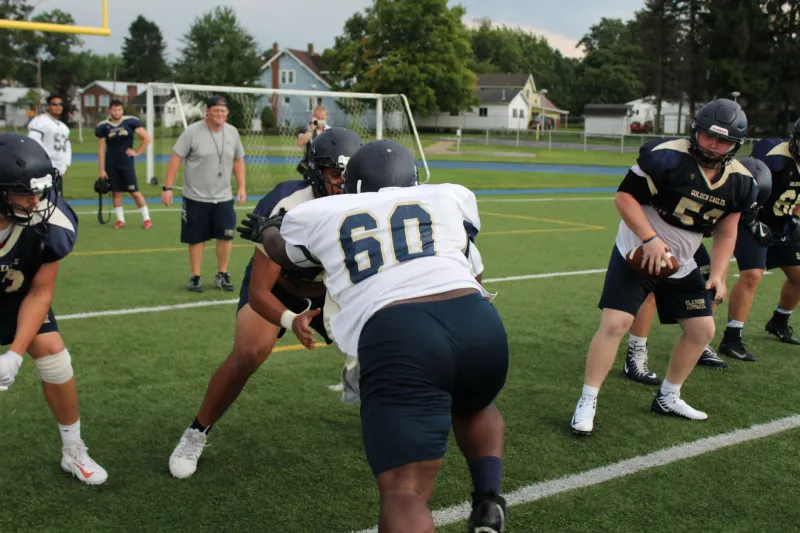
Every offseason, some NFL team trots out a press conference about their revamped quarterback room. New offensive coordinator. Fresh scheme. Maybe a shiny new iPad-based playbook system. What they don't mention — what they'll almost never mention — is the 63-year-old retired offensive coordinator sitting in a folding chair on a back practice field, watching film with a struggling starter who just threw 14 interceptions the year before.
That guy? He doesn't have a title. He's not on the team's official payroll in any way that shows up on a depth chart or a salary cap sheet. But he might be the most important person in that quarterback's football life right now.
This is the underground economy of NFL quarterback development, and it's a lot bigger than most fans realize.
The Problem No Official Hire Can Fix
Here's the thing about NFL coaching staffs — they're political ecosystems. Every coordinator is protecting his scheme. Every position coach has a stake in making his guy look good. When a quarterback is genuinely broken — not just slumping, but mechanically compromised, mentally rattled, or processing defenses at the speed of a Saturday afternoon pickup game — the official staff often can't fix it. There's too much noise. Too many competing voices. Too much organizational ego in the room.
That's where the ghosts come in.
Retired offensive minds, guys who spent decades coaching quarterbacks at the highest level and have zero interest in the politics of a modern NFL front office, are getting quiet calls from teams desperate for outside perspective. Sometimes it's a general manager reaching out directly. Sometimes it's the quarterback himself, acting on a recommendation from an agent or a veteran teammate. Either way, the arrangement is almost always kept off the record.
These aren't the high-profile "QB guru" types you see doing television segments. Those guys have brands to protect. The real operators are the ones you've half-forgotten — former coordinators from Super Bowl runs in the 2000s, position coaches who quietly developed three or four Pro Bowl quarterbacks before retiring to the golf course and a comfortable pension. They're not chasing the spotlight. They're just still wired into the game.
What They Actually Do
The work these informal consultants do isn't glamorous. It's granular. We're talking about hours of film study focused on footwork mechanics that have degraded under pressure. Throwing platforms. Hip rotation on rollouts. The way a quarterback's eyes telegraph his first read to a safety who's already cheating toward the flat.
But it's not just physical. A lot of what these guys fix is mental. Processing speed — the ability to run through a progression, recognize a coverage rotation, and deliver the ball on time — is as much a trained skill as it is natural talent. Young quarterbacks who struggled in college often get exposed at the NFL level not because they can't throw, but because they can't think fast enough under a live pass rush.
Old-school offensive minds who've spent their careers breaking down coverages have a way of simplifying the mental picture. They've seen every defense. They know which pre-snap indicators matter and which ones are traps. And because they have no stake in the team's current scheme, they can teach concepts without the baggage of "well, this is how we do it here."
That freedom is the whole point.
Why Teams Keep It Quiet
So why doesn't anyone talk about this? A few reasons, and they all make sense once you think about it.
First, there's the optics problem. If it gets out that a team brought in an outside consultant to work with their franchise quarterback, the immediate narrative writes itself: the official coaching staff couldn't get the job done. That's a story no head coach wants circulating during a season where his seat is already warm.
Second, there are league rules around coaching staff sizes and contact periods that make some of these arrangements legally murky. Teams aren't necessarily breaking rules, but they're operating in gray areas that they'd rather not have scrutinized.
Third — and this one's underrated — the quarterbacks themselves sometimes don't want it public. Admitting you needed outside help to fix your footwork or your pre-snap reads is an admission that something was broken. In a league where confidence is currency, that's a vulnerability most starting quarterbacks would rather keep private.
So everyone stays quiet. The consultant flies in, works for a week or two during the offseason, maybe checks in via video call during the season, and then disappears back into retirement. The quarterback shows up to training camp looking sharper. The coaching staff takes the credit. The consultant cashes a quiet check and goes back to his lake house.
The Value Calculation
Here's what makes this whole ecosystem fascinating from a pure football economics standpoint. Some of these informal consultants are doing more to move the needle on a quarterback's development than coaches making $500,000 a year on the official staff.
Think about what it costs an NFL team when a first-round quarterback busts because nobody ever fixed his footwork in the pocket, or because he never learned to read a Cover 2 shell correctly. We're talking about tens of millions in wasted salary cap space. Draft capital burned. Seasons lost. Fan bases torched.
Now compare that to whatever a retired coordinator charges for a couple weeks of intensive, distraction-free quarterback work. The math isn't even close. It's arguably the highest-value transaction in the entire sport, and it happens almost entirely off the books.
Agents have started to figure this out, too. Some of the more plugged-in representatives are actively building networks of these consultants and connecting them with clients who need the work. It's become a quiet part of how top agents differentiate themselves — not just negotiating contracts, but curating the development ecosystem around their quarterbacks.
The Ghosts Aren't Going Anywhere
As long as NFL teams keep drafting quarterbacks with raw mechanics and launching them into complex offensive systems before they're ready, there will be a market for the guys who can quietly put the pieces back together. The official coaching structure isn't built for that kind of individualized, ego-free repair work. It never has been.
The ghost coordinators fill that gap. They're the ones answering the phone at 10 p.m. when a quarterback can't figure out why he keeps missing his back-shoulder throw to the boundary. They're the ones sitting in film rooms in February, pointing out the exact moment a quarterback's eyes go flat and the defense reads the play.
They don't get press conferences. They don't get credit on the team's website. Half the fan base doesn't even know they exist.
But somewhere right now, a quarterback who looked finished last season is throwing the ball with a clarity he hasn't had in years — and the reason is sitting in a folding chair just off camera, watching every rep with the quiet satisfaction of someone who's seen this movie before and knows exactly how it ends.