Stacked and Shattered: How NFL Franchises Torch Their Own Championship Windows
There's a specific kind of NFL heartbreak that doesn't get talked about enough. It's not the team that never had the talent. It's not the franchise stuck in a decade-long rebuild, crossing its fingers at every draft. No, the real gut-punch belongs to the teams that had it — the rosters that made opposing coordinators lose sleep — and then, somehow, inexplicably, watched the whole thing fall apart before a single championship banner ever got hung.
We're talking about the franchises that assembled elite pieces, generated legitimate Super Bowl buzz, and then proceeded to detonate their own competitive window through a combination of bad contracts, worse decisions, and the kind of organizational dysfunction that doesn't show up in any box score. This isn't bad luck. This is self-inflicted. And it happens more often than the league's PR machine would ever want you to notice.
The Illusion of 'All the Pieces'
Every few years, a team emerges from the offseason looking like a video game roster on All-Madden difficulty. The splashy free agent signings drop. The draft class gets rave reviews. The beat reporters start throwing around words like "loaded" and "no weaknesses." Fans buy in. Vegas adjusts the lines. And then the season starts.
The problem is that building a stacked roster and actually running one are two completely different skill sets. Front offices that are great at acquiring talent often turn out to be terrible at managing the personalities, contracts, and internal politics that come with it. You can sign four Pro Bowl players in a single offseason and still watch your locker room fracture by October if nobody thought about how those four guys were going to coexist.
The Seattle Seahawks of the early 2010s are the gold standard cautionary tale here. That Legion of Boom defense wasn't just talented — it was historically dominant. Two Super Bowl appearances, one championship, and a roster that looked capable of running the table for years. Then the contract disputes started piling up. Richard Sherman, Earl Thomas, Kam Chancellor — one by one, the pillars of that dynasty either walked, got traded, or deteriorated under the weight of unresolved financial tension. The window didn't close gradually. It slammed shut.
Free Agency Math That Never Adds Up
Here's where most championship-caliber rosters quietly start dying: the second contract cycle. A team drafts smart, develops well, wins some games, and suddenly everybody on the roster wants to get paid. That's fair. That's the system. But the franchises that implode are the ones that either overpay to keep guys they shouldn't, or let the wrong players walk because they were too stubborn to write the check.
The San Francisco 49ers have lived this story in excruciating detail across multiple eras. The Kyle Shanahan-era teams kept assembling the kind of offensive talent that made defensive coordinators age in real time, then watched key contributors leave in free agency or get squeezed out by cap constraints that were entirely predictable if anyone had been paying attention. Deebo Samuel's contract drama. The revolving door at running back. The quarterback situation that somehow managed to be both expensive and uncertain at the same time. Talented roster. Complicated execution.
And it's not just about money. Sometimes franchises retain the players and lose the edge anyway because the front office starts believing its own hype. You stop hunting for upgrades. You assume continuity equals progress. You get comfortable. That comfort is where competitive windows go to die.
When the Locker Room Becomes the Opponent
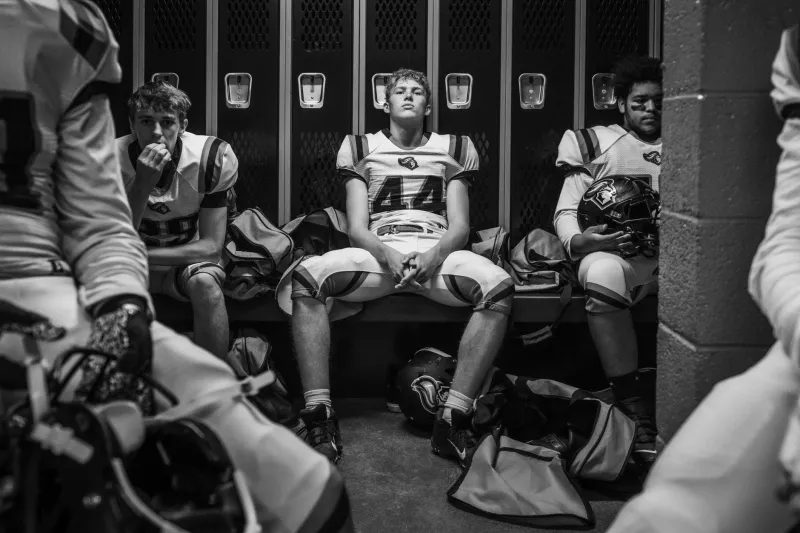
Talent doesn't guarantee chemistry. This sounds obvious until you watch a 12-win team from the previous season suddenly look like they're running eleven separate offenses in the same huddle. Locker room dysfunction is the most underreported killer of stacked rosters, partly because it's messy, partly because players and coaches aren't exactly lining up to discuss it publicly.
The mid-2010s Dallas Cowboys are a fascinating wreck to examine here. Dez Bryant. Demarco Murray. A dominant offensive line. Tony Romo at his most capable. On paper, that roster had legitimate NFC championship ceiling written all over it. In practice, personality conflicts, front office meddling, and a head coach operating under the constant shadow of an owner who never quite trusted him combined to make sure those teams never got close to their ceiling. The talent was real. The organizational coherence was not.
When a locker room fractures, it rarely announces itself loudly. It shows up as missed assignments in the fourth quarter. It shows up as a star receiver who stops fighting for contested catches. It shows up as a defensive captain who's suddenly having a lot of conversations with his agent instead of his position coach. The stats look fine until they don't, and by the time everyone admits there's a problem, the window is already cracked.
The Front Office Ego Problem
Some franchises blow up their own rosters not through negligence but through arrogance — the deeply held belief that the people running the organization are simply smarter than the market. They'll trade a proven commodity for draft capital they never properly develop. They'll release a veteran contributor to clear cap space, then spend that space on a flashy name who doesn't fit the scheme. They'll convince themselves that the system is more important than the talent, right up until the talent leaves and the system starts losing.
The New England Patriots spent twenty years being the exception to every rule in this book, which may have actually made the post-Brady transition harder to navigate. When your organizational identity is built around the idea that the front office always knows best, admitting that you've lost a step — or that you need to change your approach — becomes nearly impossible. The 2021 and 2022 rosters had real pieces. The results were painfully average.
The Window Is Never as Wide as It Looks
Here's the cold truth that every stacked roster eventually has to face: the NFL's competitive window is narrower than fans want to believe, and it requires constant, disciplined maintenance to stay open. One bad draft. One catastrophic free agent decision. One locker room conflict that festers instead of getting addressed — any of these can trigger a collapse that takes years to recover from.
The franchises that actually convert talent into titles — the Chiefs, the Patriots during their dynasty run, the early 2010s Ravens — share one thing in common beyond just having good players. They had organizations that understood the difference between building a roster and sustaining one. They made hard decisions early instead of expensive decisions late. They valued culture as an asset, not just a talking point.
Everybody else? They got stacked. They got loud. They got hyped. And then, right on schedule, they got shattered.
The NFL doesn't reward potential. It rewards execution — all the way from the draft room to the contract table to the locker room wall. The teams that forget that lesson don't just lose games. They lose entire eras that could have meant something.