The NFL's Dirty Little Secrets: Beefs, Grudges, and the Drama ESPN Won't Touch
Let's be honest with each other for a second.
The NFL's official media machine is incredibly good at one thing: controlling the narrative. Press conferences are carefully managed. Beat reporters need access. Players know the camera is always on. So what you get from your standard sports broadcast is a very polished, very sanitized version of what's actually happening inside these organizations.
But cracks show. They always do. A cryptic tweet here. A sideline argument that gets caught on a hot mic there. A veteran receiver who suddenly goes quiet on social media after a contract dispute. A coordinator who "resigned" three days after a playoff loss.
At Electric Styles Sports, we don't do polished. We do honest. So let's talk about the drama that actually shapes the NFL — the stuff that lives between the lines of official statements and carefully worded non-answers.
The Locker Room Divide Nobody Officially Acknowledges
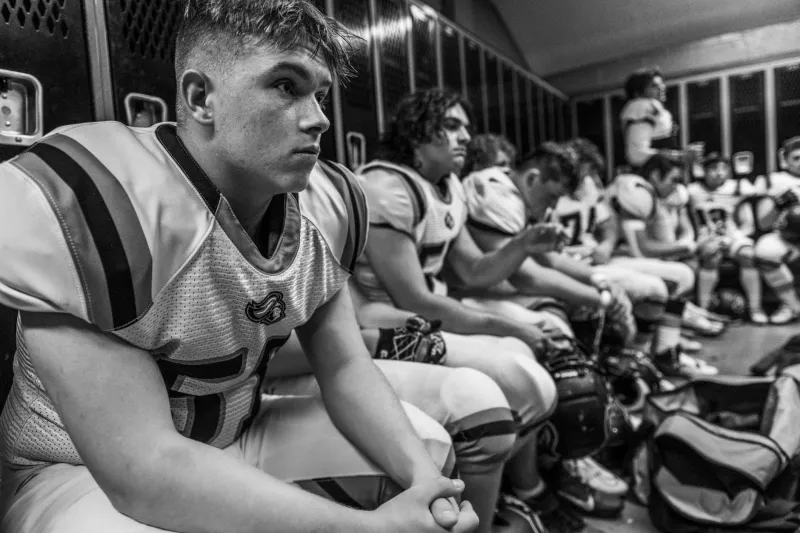
Every NFL roster is a pressure cooker of competing egos, financial resentments, and generational gaps. You've got a rookie on a rookie deal watching a veteran collect three times his salary for half the production. You've got a defensive captain who came up in a physical, ground-and-pound era now being asked to adapt to a pass-happy offense he fundamentally doesn't respect. You've got social media creating parallel narratives about players that their teammates see in real time.
The tension between "team guys" and "brand guys" is real, and it's growing. When a wide receiver posts Instagram content from a yacht during a losing streak, the offensive linemen who are quietly grinding film don't forget that. Coaches pretend they don't notice. General managers issue non-statements about "team cohesion." But it festers.
Multiple former players — speaking off the record because, yes, even retired NFL guys worry about burning bridges — have described the modern locker room as increasingly fragmented along lines of contract status, social following, and media visibility. The star gets the benefit of the doubt. The depth player gets cut for speaking up.
The Quarterback Hierarchy and the Resentment It Breeds
Nothing creates more internal friction in an NFL organization than the quarterback situation. And we're not just talking about backup-vs-starter drama, though that's plenty real.
We're talking about the way a franchise QB's preferences quietly reshape an entire roster. The offensive coordinator who gets hired because the QB likes his system. The wide receiver who gets let go because he and the QB had a personality conflict that nobody officially confirmed. The defensive coordinator who keeps losing arguments about practice schedules because the QB has the owner's ear.
This dynamic has played out visibly in multiple organizations over the past decade. When Aaron Rodgers and Green Bay's front office went cold — a situation that dragged out for years before his eventual trade to the Jets — it wasn't just a contract dispute. Former teammates and insiders described a locker room that had essentially split into camps, with everyone carefully watching what they said and to whom. That kind of organizational dysfunction doesn't stay contained. It leaks into game planning, into draft priorities, into the kind of trust-based communication that winning teams depend on.
Rodgers is an extreme example, but the pattern repeats across the league constantly, just with less public visibility.
The Social Media Cold War
Here's where modern NFL drama gets genuinely fascinating: the subtweet era has given players a communication channel that bypasses the entire PR apparatus, and they use it.
A player follows and then unfollows a teammate. A receiver likes a post criticizing his quarterback's decision-making in a big game. A defensive back posts a workout video with a caption that reads like a direct response to something a coach said in a film session. None of this is confirmed. None of it gets addressed in press conferences. All of it gets noticed by everyone inside the building.
Some agents have become expert readers of this social media subtext, using it to gauge a client's standing within an organization before contract negotiations even begin. If a player's teammates have quietly stopped engaging with his content, that tells you something. If a star is suddenly posting more brand content than team content during the season, that tells you something too.
The NFL's communications departments are well aware of all of this. They just can't control it without looking like they're trying to silence players — which creates its own PR disaster.
The Beef That Shapes Matchups
Here's something mainstream coverage consistently underplays: personal history between players is a genuine factor in how games unfold.
When two corners who came up together in college — and had a falling out over draft positioning, endorsement deals, or just plain ego — line up against each other in a regular season game, that's not just a football matchup. That's a conversation that's been brewing for years, playing out in real time in front of 70,000 people. The extra physicality after a catch. The lingering eye contact after a stop. The trash talk that gets picked up on sideline mics and then quietly edited out of broadcasts.
Coaches know this. Smart coordinators scheme specifically to exploit these emotional fault lines — both within their own roster (motivating a player through rivalry) and in opponents (targeting a corner who's been publicly called out by a receiver he's about to face).
None of this shows up in the official game notes.
Why This Stuff Actually Matters
Look, we're not here just to gossip — though honestly, the gossip is good. We're here because understanding the human dynamics inside NFL organizations is essential to understanding why teams win and lose.
The talent gap between most NFL rosters is smaller than people think. What separates 10-win teams from 6-win teams is often chemistry, trust, and the absence of the kind of internal friction we've been describing. When a locker room is genuinely unified — when the backup QB is actually happy for the starter, when the defensive captain respects the offensive coordinator's vision, when the star receiver is posting about his teammates instead of his brand — those teams are harder to beat than their personnel rating suggests.
Conversely, a roster full of five-star recruits who fundamentally don't trust each other will find a way to lose games they shouldn't.
The NFL sells you the game. We're selling you the context. And the context, more often than not, is messier, more human, and way more interesting than anything you'll hear in a postgame press conference.
Stay plugged in.