Dead Money Walking: The Blockbuster NFL Deals That Turned Into Financial Nightmares
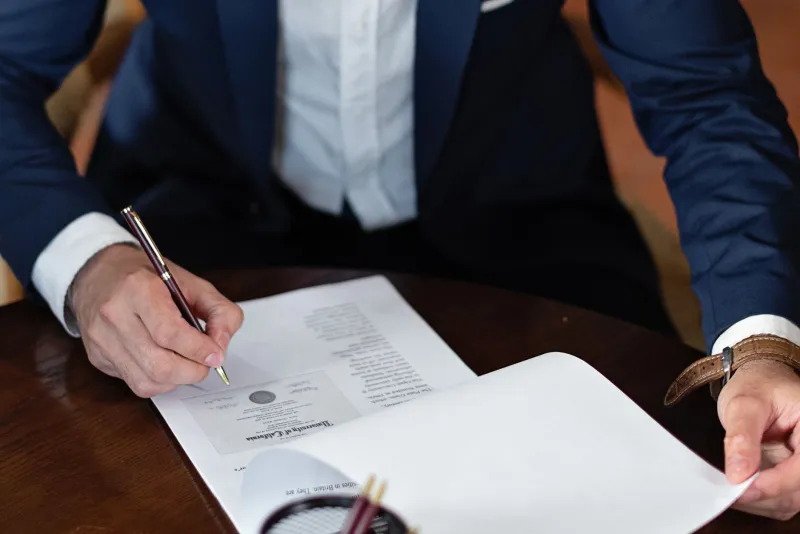
There's a moment in every NFL front office where someone slides a contract across the table, the star player signs it, and everybody in the building feels like a genius. The press conference is fire. The fan base goes crazy on social media. The talking heads on ESPN call it a franchise-defining move.
Then the season starts. And reality hits like a blindside blitz.
The NFL's salary cap is a zero-sum game. Every dollar you hand to one guy is a dollar you can't spend somewhere else. And when that guy stops producing — whether it's because of age, injury, attitude, or just a flat-out miscalculation of his actual value — that money doesn't disappear. It just sits there, handcuffing your roster decisions for years at a stretch. Welcome to the world of dead cap money, where good intentions go to die.
The Pressure to Win Now Always Costs You Later
Here's the thing about NFL front offices: they're not operating in a vacuum. Owners want wins. Fan bases want championships. Coaches want job security. And all of that pressure funnels down into contract decisions that look bold in the moment but age about as well as milk left in a hot car.
The pattern is almost always the same. A team has a window — a legitimate shot at a Super Bowl run — and instead of being disciplined with the cap, they go all-in. They pay a receiver who just had one monster season. They extend a quarterback coming off a playoff run without asking hard questions about whether that performance was sustainable. They lock up an edge rusher to a deal that assumes he'll keep producing at 32 the way he did at 27.
Sometimes it works. More often, it doesn't. And when it doesn't, the team that was trying to compete now is suddenly rebuilding for three years because they've got $25 million in dead cap attached to a guy who's either hurt, gone, or just not that dude anymore.
The Quarterback Problem Is the Biggest One
Let's be direct: the most dangerous contracts in the NFL are quarterback deals. Not because quarterbacks aren't worth the money — in many cases, they absolutely are — but because when a QB contract goes sideways, the damage is catastrophic in a way that no other position can match.
When you're paying a quarterback $45 million a year and he starts regressing, you're stuck. You can't just cut him and move on because the dead money hit would crater your cap space. You can't draft his replacement in the first round without tipping your hand and destroying the locker room. So you ride it out, hope he bounces back, and watch the rest of your roster erode around him because you can't afford to build a complete team.
We've seen this play out across the league in recent years. Teams that handed out extensions based on short windows of elite performance — only to watch that performance evaporate — are now locked into situations where mediocrity is basically baked into the next two or three seasons. The front office knew the risk. They took it anyway. Now the fans are paying for it.
When Schemes Change and the Contract Doesn't
Another underrated killer? Coaching changes. An offensive lineman signed to protect a pocket passer is suddenly playing in a zone-blocking scheme that doesn't suit his skillset at all. A wide receiver who thrived in a vertical passing attack is now being asked to run short routes in a West Coast system that bores him to tears. A linebacker built for a 4-3 defense is now trying to figure out how to play in a 3-4.
These mismatches happen constantly, and they're brutal for everyone involved. The player underperforms not because he's bad but because he's a square peg being jammed into a round hole. The team still has to pay him. The coaching staff gets frustrated. The locker room gets weird. And suddenly a guy who looked like a steal two years ago is being quietly shopped to any team willing to take on even a portion of his deal.
Front offices that don't account for potential scheme changes when they structure contracts are setting themselves up for exactly this kind of mess. And in an era where head coaches get fired every two to three years on average, not thinking about this is almost negligent.
Which Teams Are Sitting on Ticking Time Bombs Right Now
Without calling out specific players by name and turning this into a pile-on, there are several franchises currently carrying contract weight that should have their fan bases genuinely nervous.
Teams in the NFC that went aggressive during what they thought was a championship window are now staring at cap situations that limit their ability to add meaningful pieces in free agency. A couple of AFC contenders have aging skill position players locked into deals that made sense two years ago but look increasingly shaky as those players enter their early-to-mid 30s.
The teams that tend to navigate this best are the ones with disciplined front offices that treat every contract like a risk management exercise — not a PR move. The Patriots did this for two decades under Belichick. The Chiefs have done it by structuring deals creatively and never being afraid to let a guy walk when the price gets too high. The teams that struggle are the ones chasing validation instead of value.
The Real Lesson Nobody Wants to Hear
The NFL is a copycat league, which means teams see a competitor make a splashy signing and feel pressure to respond in kind. That competitive anxiety is how you end up with a market that consistently overpays for good-but-not-elite players, because someone else was willing to overpay first.
The hardest thing in sports front office work isn't finding talent. It's saying no to talent at the wrong price. It's telling your owner, your coach, and your fan base that the smart move is to pass on a big name and stay financially flexible — even when staying flexible feels like losing.
But the franchises that build sustained success are almost always the ones that master that discipline. And the ones currently buried under bad contracts? They're living proof of what happens when the pressure to compete now overrides the patience to build something that actually lasts.
The cap doesn't lie. It just waits.